

Replacing a missing tooth starts with understanding your mouth, your priorities and the care you will need afterwards. Discuss dental implants with Dentaneva at Porta Vadi in Istanbul.
What an implant replaces
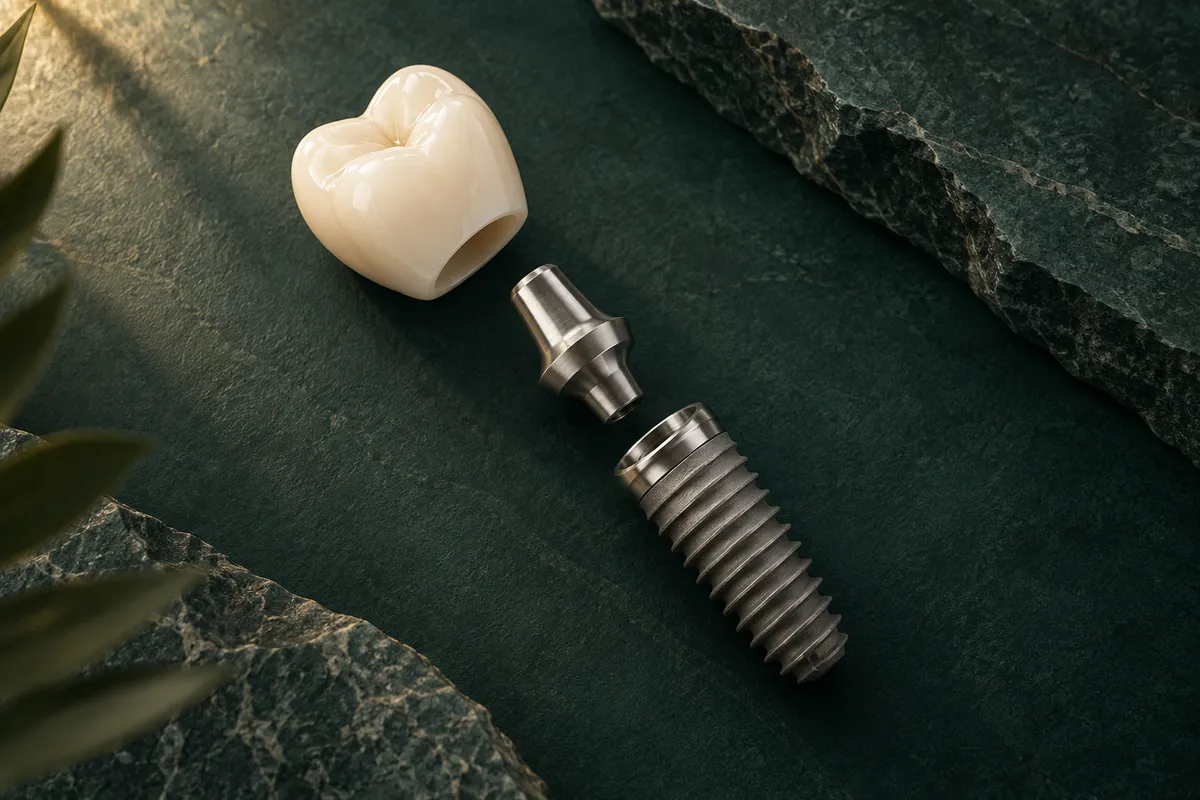
An implant is placed in the jaw to support a replacement tooth or teeth. The implant, connecting component and crown or bridge are different parts of the restoration.
Is it suitable for you?
An examination is needed to assess your oral and general health. Smoking, gum disease and some medical conditions can affect healing. Alternatives may include a bridge or removable denture.
Plan for healing and follow-up
Healing can take several months. Ask how many visits your plan requires, what you will wear during healing, and who will provide maintenance when you return home.
Benefits, limitations and risks
Implants can restore chewing and appearance, but success is not guaranteed. Risks include infection, implant failure and injury to nearby teeth, tissues or nerves. Cleaning and regular dental reviews remain essential.
Before you book your journey
Request an itemised proposal covering the restoration, any preparatory treatment, follow-up appointments and what is excluded. Ask for the implant brand and model for your records. A photograph or online enquiry does not replace an examination.
Compare your options
Patient information: FDA — Dental implants.
Planning dental treatment in Turkey
How much will my treatment cost?
Ask for a written, itemised quotation after assessment. Compare the same treatment: the teeth included, materials, laboratory work, temporary restorations, preparatory care and follow-up. Confirm which travel costs are separate. An advertised starting price is not your personal treatment plan.
Travelling from the UK, USA, Canada or Australia
Before booking flights, ask the clinic to confirm your appointment sequence and whether a later visit may be needed. Keep time for fitting checks and discuss arrangements if your travel dates change. Ask for a copy of your treatment records and agree how follow-up will work after you return home.
Questions to resolve before you decide
What alternatives are suitable? What will change permanently? What are the limitations and potential complications? Who should you contact with a concern at home? Bring these questions to your free consultation; an online discussion does not replace a dental examination.
An implant is a system, not just a screw
The implant body sits in the jaw; an abutment connects it to the replacement tooth. A quotation for an implant alone may therefore exclude the abutment and crown. Ask for the number of missing teeth, implant positions and final restoration to be described separately. Several missing teeth do not always require the same number of implants: the dentist must explain the proposed design.
Preserving a tooth comes before replacing it
A consultation should establish whether a damaged tooth can be retained and whether a bridge or removable denture is a suitable alternative. Implant suitability depends on oral health, bone, medical history and the ability to maintain the restoration. Tell the dentist about smoking, medicines and previous gum problems. Photographs alone cannot establish whether surgery is appropriate.
Healing, temporary teeth and the return visit
Placing an implant and fitting the final teeth are different steps. Ask which restoration you will leave with, what you can eat during healing and what must be checked before the final restoration. Immediate loading is conditional, not a promise that everyone can receive permanent teeth in one visit. Leave travel dates flexible until your individual sequence has been confirmed.
What to keep after treatment
Request a treatment summary, implant manufacturer and model, relevant imaging and a written maintenance plan. Agree who will assess pain, looseness or changes in your bite after you return home. Discuss possible surgical complications and implant failure before consent; a brand name does not remove these risks. Regular cleaning and professional follow-up remain necessary.
